COMPLETE FERTILITY CARE IN SAONER

Ovulation Induction Treatment in Saoner

Take a step towards parenthood with personalized ovulation induction treatment, advanced fertility monitoring, and expert guidance to support healthy ovulation and improve your chances of conception.

Advanced Ovulation Monitoring

Experienced Fertility Specialists

Personalized Treatment Plans

Comprehensive Fertility Care

What is Ovulation Induction?

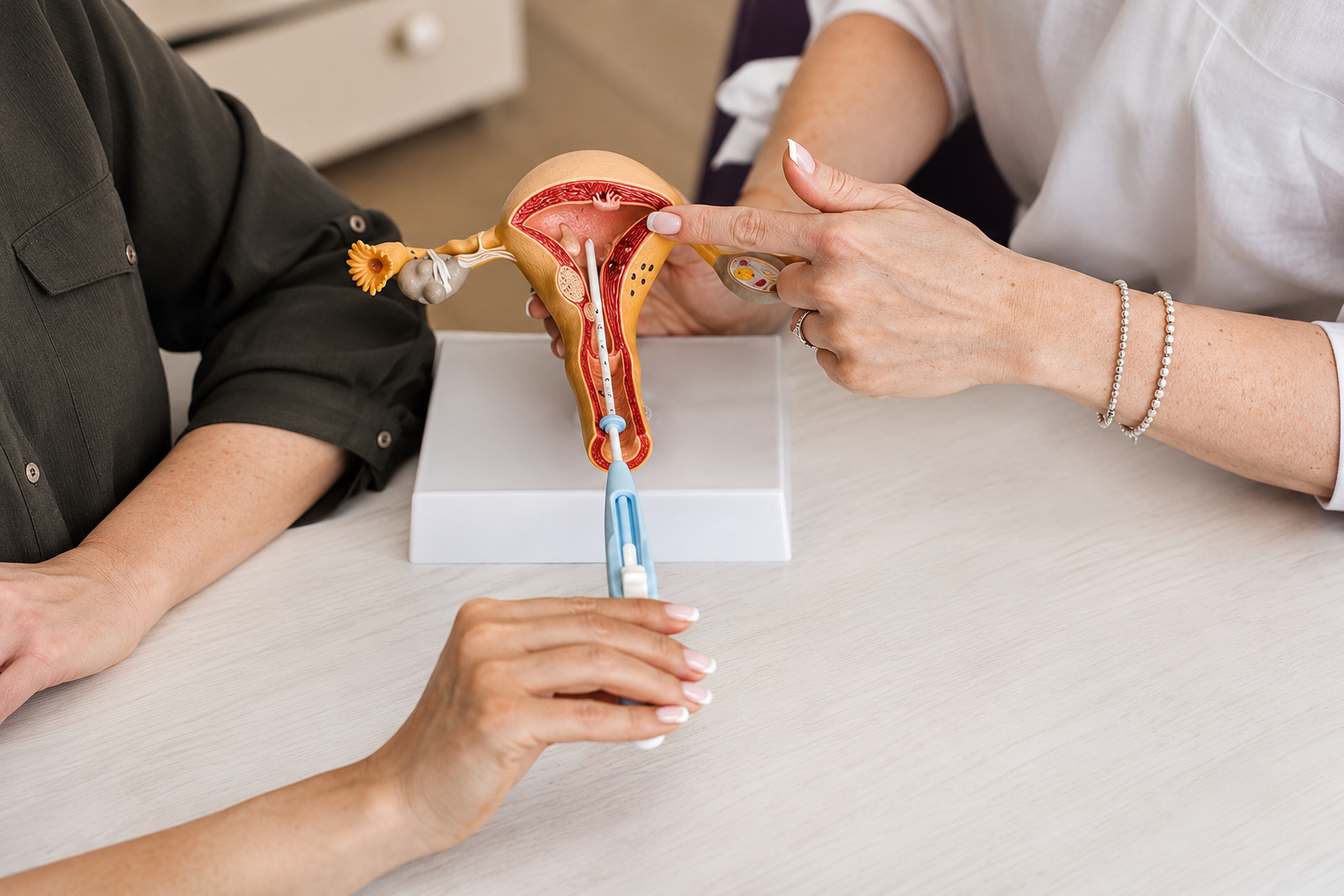
Ovulation Induction is a fertility treatment designed to help women who experience irregular or absent ovulation. The treatment involves carefully prescribed medications that stimulate the ovaries to develop and release eggs, improving the opportunity for natural conception or supporting assisted reproductive treatments.

At Nitya IVF & Neolife Centre, Saoner, we provide personalized ovulation induction treatment under the guidance of Dr. Prachi Hemant Bhagat. Our approach focuses on identifying the causes of ovulation difficulties, recommending suitable medications, and monitoring treatment progress to support your fertility journey.

Advanced

Ovulation Monitoring

Personalized

Fertility Treatment

Experienced

Medical Guidance

Ongoing

Fertility Support

OUR SERVICES

Featured Fertility Treatments

TREATMENT PROCESS

How Ovulation Induction Works at Nitya IVF Step by Step

From your initial fertility assessment to ovulation monitoring and pregnancy testing, understand the carefully planned stages of ovulation induction treatment.

01

Consultation & Fertility Assessment

Our fertility specialist reviews your medical history, menstrual cycle patterns, and reproductive health. Suitable hormone tests, ultrasound scans, and other fertility evaluations help identify possible causes of irregular ovulation.

02

Personalized Treatment Planning

Based on your fertility assessment, our specialist develops an individualized treatment plan. Appropriate medications may be recommended to stimulate follicle development and support ovulation.

03

Ovulation-Stimulating Medication

Prescribed fertility medications, such as letrozole, clomiphene, or injectable hormones when appropriate, help stimulate the ovaries to develop and release eggs. Medication selection and dosage depend on individual medical requirements.

04

Follicle Growth Monitoring

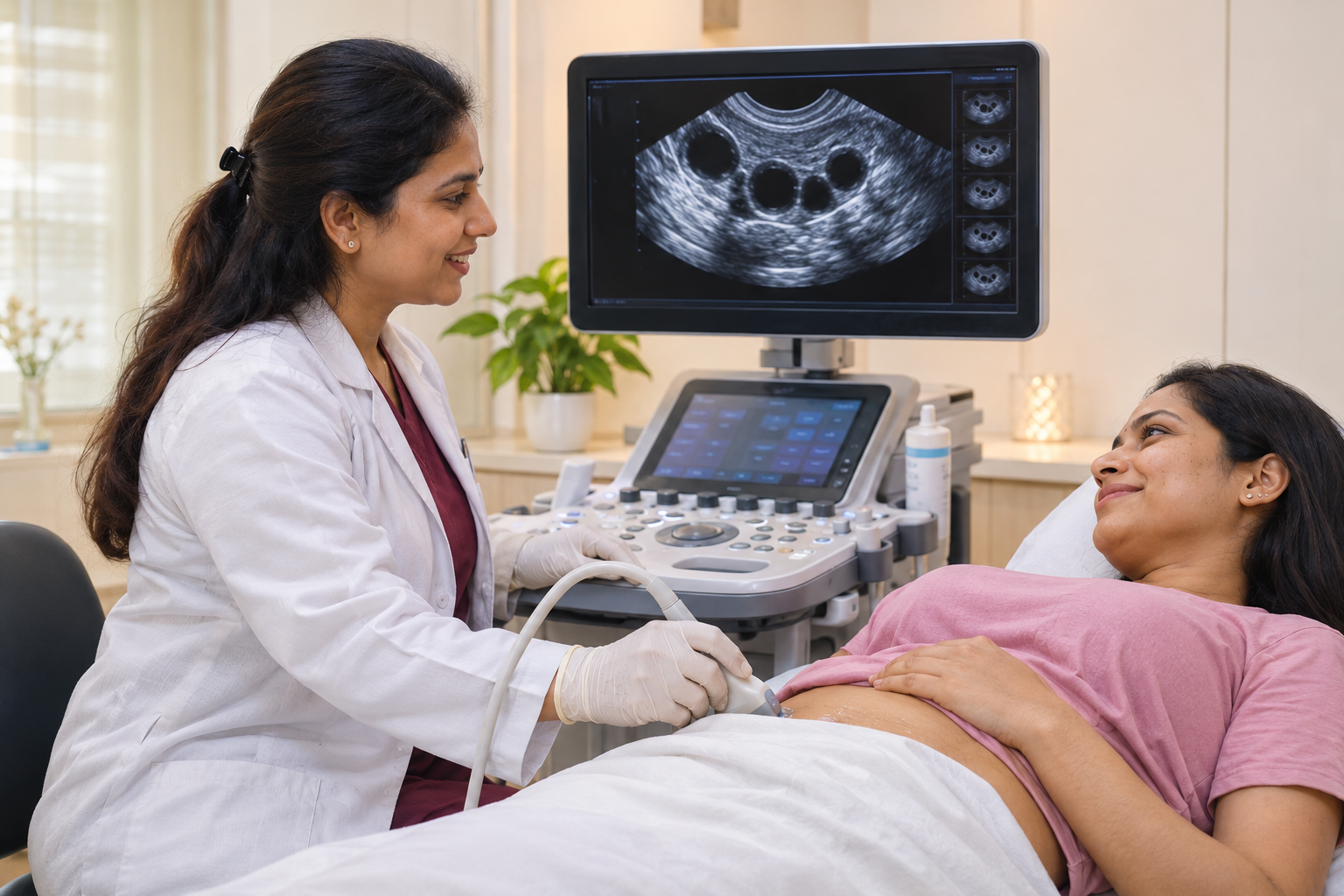
Ultrasound scans and selected hormone tests help monitor ovarian response, follicle development, and the number of developing follicles. Treatment adjustments may be recommended based on the results.

05

Ovulation Timing & Conception Guidance

Once suitable follicle development is observed, our fertility specialist provides guidance on the appropriate timing for intercourse or assisted reproductive treatment. An ovulation-trigger injection may be recommended in selected cases.

06

Pregnancy Test & Follow-Up

A pregnancy test is usually recommended approximately two weeks after ovulation. Our team reviews the results, assesses treatment response, and provides further fertility guidance when necessary.

Why Nitya IVF

Why Families Trust Us

20+ Years Expertise

Benefit from over two decades of experience in gynaecology and fertility care, with personalized medical guidance and compassionate patient support.

Personalized Treatment Plans

Every woman's fertility needs are different. Our treatment plans are developed based on hormonal evaluations, menstrual history, and individual reproductive health concerns.

Complete Fertility Care

Access fertility assessments, ovulation induction, IUI, IVF, ICSI, gynaecological consultation, and pregnancy care under one roof.

Compassionate Patient Support

Our team provides clear medical explanations, emotional reassurance, and continuous fertility guidance throughout your treatment journey.

Appointments coordinated around your work commitments wherever medically feasible.

Our Testimonial

Years of Experience
0 +

Every Journey Deserves Hope

FAQ's

Frequently Asked Questions

Ovulation induction is a fertility treatment that uses prescribed medications to stimulate egg development and release in women who experience irregular or absent ovulation. It may help improve the opportunity for conception.

Ovulation induction may be recommended for women experiencing irregular menstrual cycles, PCOS, hormonal imbalances, or other conditions affecting normal ovulation. A fertility specialist determines treatment suitability after appropriate evaluations.

Yes. Ovulation induction is commonly used for women with PCOS who experience irregular or absent ovulation. Medications may help stimulate ovulation, while appropriate monitoring supports safer treatment planning.

Common medications include letrozole, clomiphene citrate, and injectable gonadotropins. The choice of medication depends on the patient's medical history, fertility condition, and ovarian response.

Ovulation induction is generally not a surgical procedure. Oral medications do not require injections, although some treatment plans involve injectable hormones. Ultrasound monitoring may cause mild discomfort.

Ovulation induction is generally planned around the menstrual cycle. Medication may be taken for several days, followed by monitoring and assessment of ovulation. The overall duration varies depending on individual treatment response.

Success rates depend on factors such as age, the cause of ovulation difficulties, medication response, sperm quality, and other fertility conditions. Successful ovulation does not always result in pregnancy.

Some women may conceive during the first treatment cycle, while others require additional cycles. A fertility specialist evaluates treatment response and may recommend adjustments or alternative fertility treatments when appropriate.

Yes. Certain ovulation-stimulating medications can increase the likelihood of multiple pregnancies. Careful follicle monitoring helps identify excessive ovarian responses and manage treatment risks.

Ovulation induction uses medications to stimulate egg development and release. IUI involves placing prepared sperm directly into the uterus around ovulation. Both treatments may be used together when medically appropriate.