ADVANCED FERTILITY PRESERVATION IN SAONER

Egg Freezing Treatment in Saoner

Preserve your reproductive options for the future with advanced egg freezing technology, personalized fertility assessments, and compassionate guidance to help you make informed decisions about your parenthood journey.

Advanced Egg Freezing Technology

Experienced Fertility Specialists

Personalized Fertility Planning

Comprehensive Reproductive Care

What is Egg Freezing?

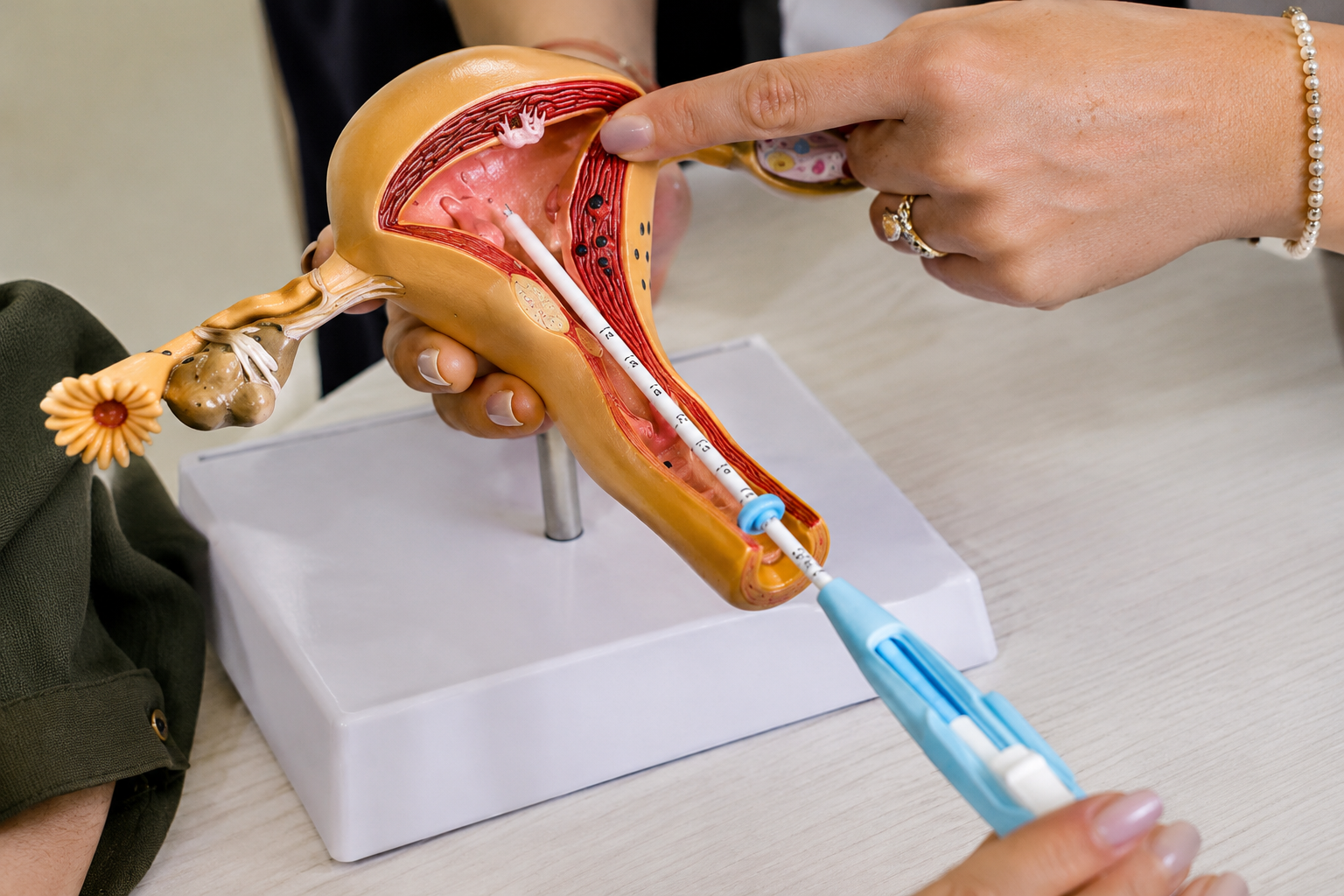
Egg Freezing, medically known as Oocyte Cryopreservation, is a fertility preservation procedure that allows women to collect and freeze their unfertilized eggs for potential future use. The process involves stimulating the ovaries, retrieving mature eggs, and preserving them at extremely low temperatures using specialized freezing techniques.

At Nitya IVF & Neolife Centre, Saoner, we provide personalized fertility preservation guidance under Dr. Prachi Hemant Bhagat. Our approach focuses on evaluating ovarian health, understanding individual reproductive goals, and recommending suitable egg freezing options with compassionate support throughout the process.

Advanced

Cryopreservation

Experienced

Medical Guidance

Personalized

Fertility Planning

Future

Reproductive Options

OUR SERVICES

Featured Fertility Preservation Services

EGG FREEZING PROCESS

How Egg Freezing Works Nitya IVF Step by Step

From initial fertility assessments to egg retrieval and cryopreservation, understand the carefully planned stages of egg freezing treatment.

01

Consultation & Fertility Assessment

Our fertility specialist reviews your medical history, reproductive goals, and future pregnancy plans. Hormonal tests, AMH testing, and ultrasound examinations may be recommended to assess ovarian reserve and determine treatment suitability.

02

Personalized Treatment Planning

Based on the fertility assessment, an individualized egg freezing plan is developed. Our specialist discusses the treatment process, expected response, possible risks, and appropriate ovarian stimulation protocol.

03

Ovarian Stimulation

Prescribed hormonal medications stimulate the ovaries to develop multiple follicles. Regular ultrasound scans and selected blood tests help monitor egg development and determine when retrieval should be scheduled.

04

Egg Retrieval Procedure

Once the follicles reach an appropriate stage, mature eggs are collected through an ultrasound-guided procedure, usually performed under sedation. The retrieved eggs are then evaluated by the embryology team.

05

Egg Freezing & Cryopreservation

Suitable mature eggs are frozen using vitrification, a rapid-freezing technique designed to reduce ice crystal formation. The frozen eggs are stored in specialized cryogenic conditions for potential future use.

06

Storage & Future Fertility Planning

After freezing, patients receive information about the number of eggs preserved, storage arrangements, and future treatment options. When pregnancy is desired, suitable frozen eggs may be thawed and used in IVF treatment.

WHY NITYA IVF

Why Families Trust Us for Egg Freezing

20+ Years Expertise

Experienced fertility care with personalized guidance and compassionate support.

Advanced Fertility Preservation

Modern egg freezing technology and specialized cryopreservation techniques.

Personalized Treatment Plans

Individual fertility plans based on age, ovarian health, and future goals.

Complete Fertility Care

Comprehensive fertility services, from initial assessment to advanced treatments.

Appointments coordinated around your work commitments wherever medically feasible.

Our Testimonial

Years of Experience
0 +

Every Journey Deserves Hope

FAQ's

Frequently Asked Questions

Egg freezing is a fertility preservation procedure in which mature, unfertilized eggs are collected from the ovaries, frozen, and stored for potential future use in assisted reproductive treatment.

Egg freezing may be considered by women who wish to delay pregnancy or who face medical conditions or treatments that could affect future fertility. A fertility specialist can help determine whether the procedure is appropriate.

Egg freezing generally has better reproductive potential when eggs are collected at a younger age, particularly before the mid-30s. However, the appropriate timing depends on individual circumstances and fertility assessments.

Egg freezing involves hormonal injections and an egg retrieval procedure. Some women experience bloating, abdominal discomfort, or temporary cramping. Egg retrieval is usually performed under sedation or anesthesia to reduce discomfort.

An egg freezing cycle generally takes approximately two to three weeks, including ovarian stimulation, monitoring, and egg retrieval. The exact duration varies depending on individual ovarian response and treatment planning.

The number of eggs recommended depends on age, ovarian reserve, reproductive goals, and individual medical circumstances. A fertility specialist can discuss an appropriate target, although no particular number guarantees pregnancy.

No. Egg freezing preserves the possibility of using collected eggs in future fertility treatment, but not every egg survives thawing, fertilizes successfully, or develops into a healthy embryo.

Eggs can remain preserved for extended periods under appropriate cryogenic conditions. The permitted storage duration depends on applicable laws, regulatory requirements, and consent arrangements.

Yes. When pregnancy is desired, frozen eggs can be thawed and fertilized in a laboratory, commonly using ICSI. Suitable resulting embryos may then be transferred into the uterus.

Egg freezing is an established fertility preservation procedure, but it carries risks associated with ovarian stimulation, sedation, and egg retrieval. These include ovarian hyperstimulation syndrome, bleeding, and infection, although serious complications are uncommon.