COMPLETE FERTILITY CARE IN SAONER

Fertility Testing in Saoner

Understand your reproductive health with comprehensive fertility testing, including HSG, hormone assessments, ultrasound examinations, and personalized guidance to identify possible causes of infertility.

Comprehensive Fertility Testing

HSG & Tubal Assessment

Experienced Fertility Specialists

Personalized Fertility Guidance

What is Fertility Testing?

Fertility testing involves a series of medical evaluations designed to identify possible reasons why an individual or couple may experience difficulty conceiving. These assessments examine important reproductive factors, including hormone levels, ovulation patterns, ovarian health, sperm quality, uterine structure, and fallopian tube function.

At Nitya IVF & Neolife Centre, Saoner, we provide personalized fertility evaluation and diagnostic guidance under Dr. Prachi Hemant Bhagat. Our approach focuses on understanding your medical history, recommending suitable investigations, identifying fertility concerns, and helping you make informed decisions about the next steps in your parenthood journey.

Comprehensive

Fertility Assessment

Advanced

Diagnostic Evaluation

Personalized

Treatment Planning

Ongoing

Fertility Guidance

OUR SERVICES

Featured Fertility Testing Services

FERTILITY TESTING PROCESS

How Fertility Testing Works at Nitya IVF Step by Step

From your initial consultation to diagnostic assessments and personalized treatment recommendations, understand the fertility evaluation process at Nitya IVF.

01

Initial Consultation & Medical History

Our fertility specialist reviews your medical history, menstrual patterns, previous pregnancies, lifestyle factors, and fertility concerns to understand possible reasons for difficulty conceiving.

02

Hormonal & Ovarian Reserve Assessment

Blood tests may be recommended to evaluate hormones related to ovulation and reproductive health. AMH testing and other assessments may help estimate ovarian reserve when clinically appropriate.

03

Ultrasound & Ovulation Evaluation

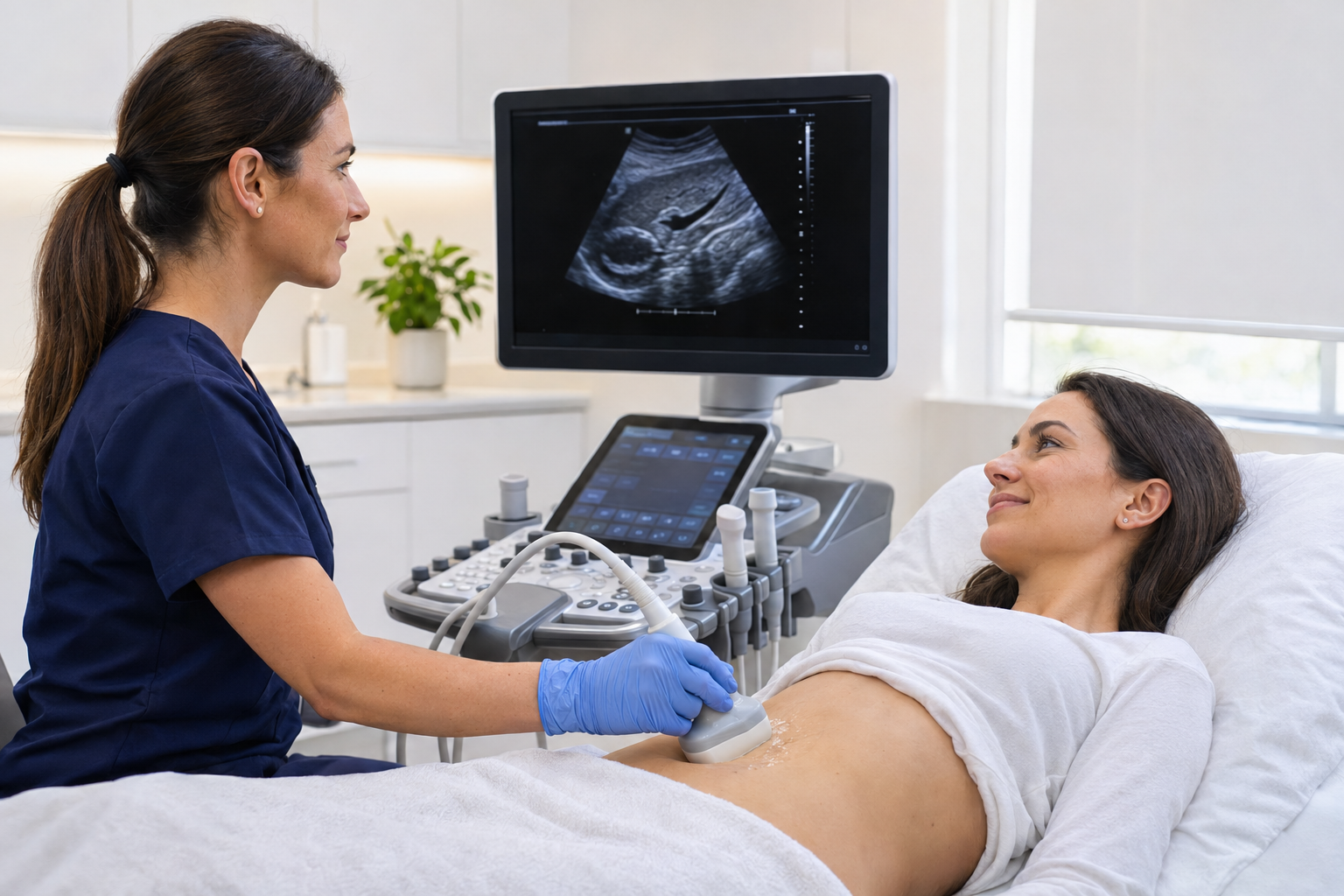
Pelvic ultrasound examinations help assess the ovaries and uterus. Follicular monitoring or progesterone testing may be recommended to evaluate ovulation and identify potential reproductive concerns.

04

HSG & Fallopian Tube Assessment

When indicated, an HSG test is scheduled to examine the uterine cavity and determine whether the fallopian tubes appear open. Contrast dye is introduced through the cervix while X-ray images are obtained.

05

Male Fertility & Semen Analysis

A semen sample is examined to assess sperm concentration, motility, and morphology. These results help identify possible male fertility factors that may affect natural conception.

06

Results Review & Treatment Planning

Our fertility specialist reviews the investigation findings, explains any identified concerns, and recommends suitable next steps, which may include ovulation induction, IUI, IVF, ICSI, or further evaluation.

WHY NITYA IVF

Why Families Trust Us for Fertility Testing

20+ Years Expertise

Benefit from over two decades of experience in gynaecology and fertility care, with personalized medical guidance and compassionate support.

Comprehensive Fertility Evaluation

Receive coordinated assessments for hormonal, ovulatory, uterine, tubal, and sperm-related fertility concerns.

Personalized Diagnostic Approach

Every patient receives individualized testing recommendations based on medical history, reproductive health, and specific fertility concerns.

Complete Fertility Care

Access fertility testing, ovulation induction, IUI, IVF, ICSI, gynaecological consultation, and pregnancy care through one fertility care centre.

Our Testimonial

Years of Experience
0 +

Every Journey Deserves Hope

FAQ's

Frequently Asked Questions

Fertility testing includes medical investigations that help identify possible causes of difficulty conceiving. Common evaluations include hormone tests, semen analysis, pelvic ultrasound, ovulation assessment, and fallopian tube investigations.

Hysterosalpingography (HSG) is a specialized X-ray procedure used to examine the uterine cavity and assess whether the fallopian tubes are open. It involves introducing contrast dye into the uterus and taking X-ray images.

An HSG test may be recommended when a fertility specialist needs to investigate possible fallopian tube blockage or abnormalities in the uterine cavity that could affect conception.

Some women experience menstrual-like cramps or discomfort during HSG, particularly when contrast dye is introduced. The level of discomfort varies, and your doctor can discuss suitable pain relief options.

The procedure typically takes around 15–30 minutes, although the complete appointment may take longer because of preparation and post-procedure observation.

HSG is generally scheduled after menstrual bleeding has ended and before ovulation, often between days 7 and 10 of the menstrual cycle. Exact scheduling depends on cycle length and medical guidance.

Yes. HSG helps assess whether contrast dye can pass through the fallopian tubes. However, an apparent blockage may sometimes result from temporary tubal spasm, so additional evaluation may be necessary.

Yes. Pregnancy is possible after HSG if the reproductive conditions are suitable. However, HSG is primarily a diagnostic procedure and does not guarantee improved fertility or pregnancy.

HSG is generally safe, but possible risks include cramping, spotting, infection, allergic reaction to contrast dye, and radiation exposure. Your doctor should review relevant medical concerns before the procedure.

No. HSG should not be performed during pregnancy because it involves X-ray imaging and contrast dye. Pregnancy must be excluded before scheduling the procedure.