ADVANCED FERTILITY CARE IN SAONER

Donor Egg IVF Treatment in Saoner

Explore new possibilities for parenthood with personalized donor egg IVF treatment, advanced reproductive technology, and compassionate fertility guidance designed to support your pregnancy journey.

Advanced IVF Technology

Experienced Fertility Specialists

Personalized Treatment Plans

Comprehensive Fertility Care

What is Donor Egg IVF?

Donor Egg IVF is an assisted reproductive treatment in which eggs from a medically screened donor are fertilized with sperm in a specialized laboratory. The resulting embryos are monitored during development, and a suitable embryo may be transferred into the recipient’s uterus to support pregnancy.

At Nitya IVF & Neolife Centre, Saoner, we provide personalized donor egg IVF consultation and fertility treatment planning under the guidance of Dr. Prachi Hemant Bhagat. Our approach focuses on understanding your reproductive health, assessing treatment suitability, explaining donor-related requirements, and providing compassionate support throughout your parenthood journey.

Advanced

IVF Technology

Personalized

Treatment Planning

Medically Screened

Donor Eggs

Ongoing

Fertility Support

OUR SERVICES

Featured Fertility Treatments

DONOR EGG IVF PROCESS

How Donor Egg IVF Works at Nitya IVF Step by Step

From your initial fertility consultation to embryo transfer and pregnancy testing, understand the carefully planned stages of donor egg IVF treatment.

01

Consultation & Fertility Assessment

Our fertility specialist reviews your medical history, previous fertility treatments, reproductive health, and pregnancy goals. Suitable investigations help determine whether donor egg IVF may be appropriate.

02

Donor Egg Planning & Screening

Donor eggs are arranged through an authorized ART bank in accordance with applicable regulations. Required donor health screening, medical evaluations, consent, and eligibility checks are completed before treatment.

03

Recipient Uterine Preparation

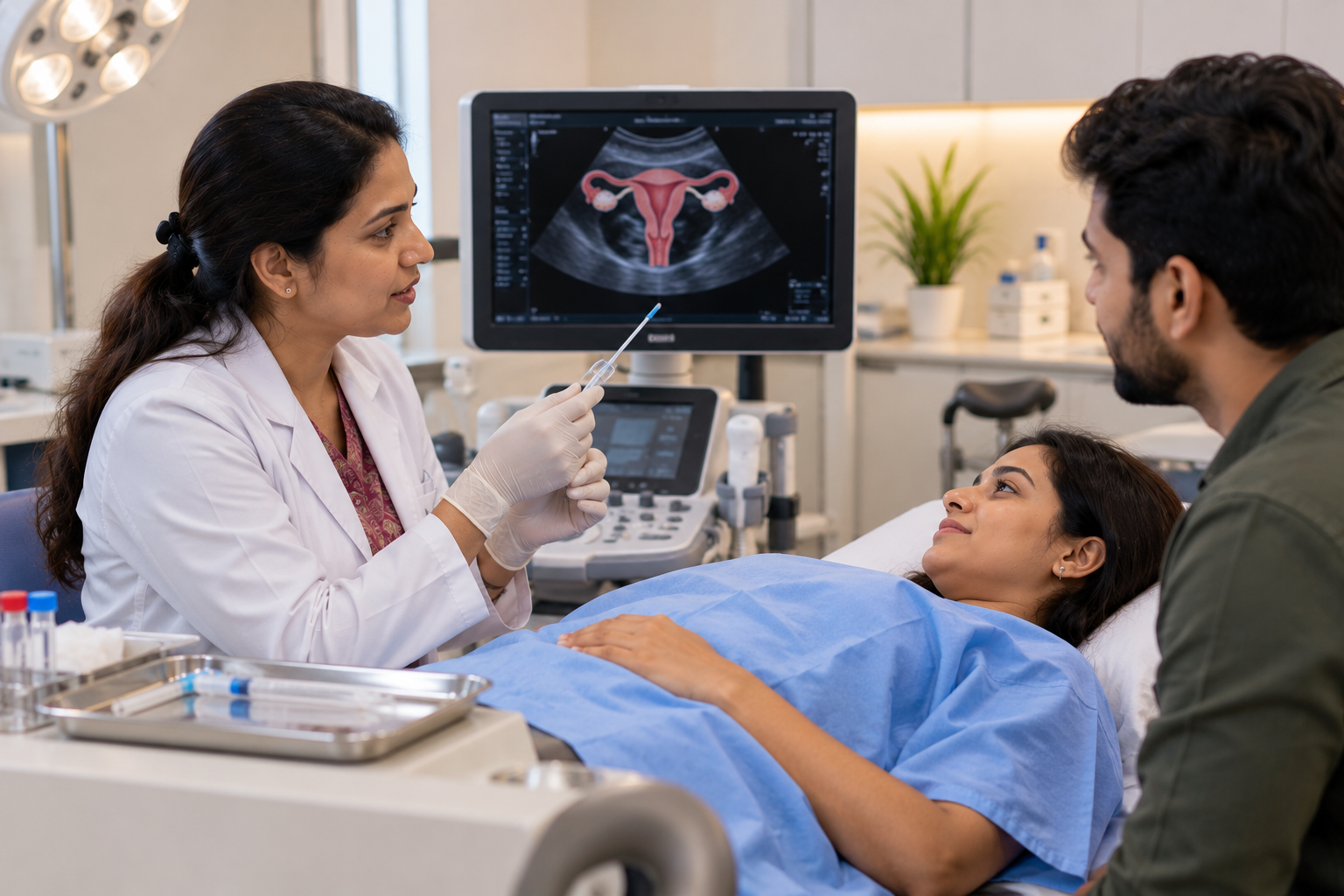
The recipient undergoes medical assessment and, when appropriate, hormonal treatment to prepare the uterine lining for embryo transfer. Ultrasound examinations help monitor treatment response.

04

Fertilization & Embryo Development

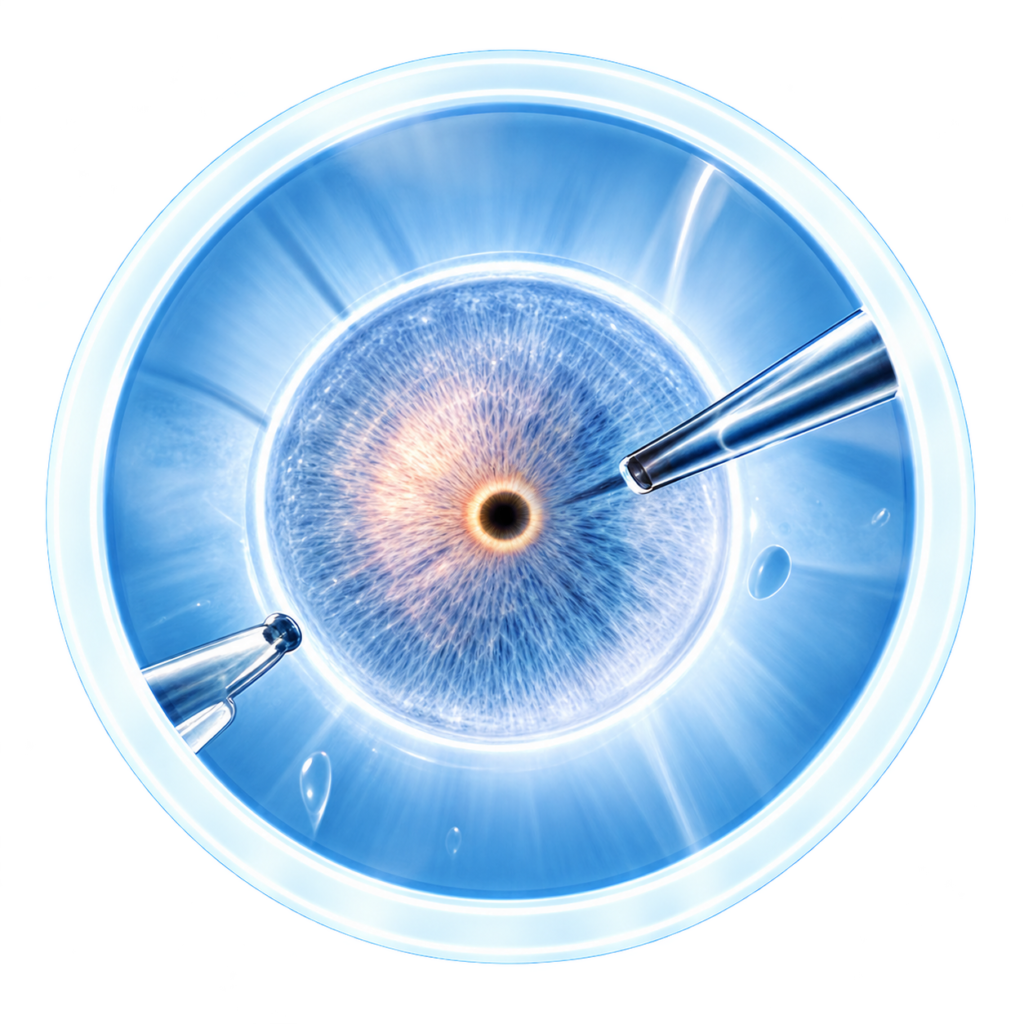
Suitable donor eggs are fertilized with sperm using IVF or ICSI techniques. The resulting embryos are carefully cultured and monitored in the laboratory to assess their development.

05

Embryo Selection & Transfer

A suitable embryo is selected and gently transferred into the recipient's uterus using a thin catheter. The number of embryos transferred is determined according to medical suitability and applicable regulations.

06

Pregnancy Test & Follow-Up

A pregnancy test is generally recommended around 9–14 days after embryo transfer, depending on the treatment protocol. Our fertility team provides further guidance and monitoring based on the results.

Why Nitya IVF

Why Families Trust Us for Donor Egg IVF

20+ Years Expertise

Experienced fertility care with personalized guidance and compassionate support.

Advanced IVF Technology

Modern reproductive technology and specialized laboratory fertilization techniques.

Personalized Treatment Plans

Individual treatment planning based on reproductive health and fertility requirements.

Complete Fertility Care

Comprehensive services, including IVF, ICSI, fertility testing, and pregnancy care.

Our Testimonial

Years of Experience
0 +

Every Journey Deserves Hope

FAQ's

Frequently Asked Questions

Donor Egg IVF is a fertility treatment in which eggs from a medically screened donor are fertilized with sperm in a laboratory. A suitable resulting embryo is then transferred into the recipient's uterus to attempt pregnancy.

Donor egg IVF may be considered for women with significantly reduced ovarian reserve, premature ovarian insufficiency, poor egg quality, or certain previous IVF fertilization or embryo development difficulties.

In conventional IVF, a woman's own eggs are used for fertilization. In donor egg IVF, eggs from a donor are fertilized with sperm before an embryo is transferred into the recipient's uterus.

Yes. Donor egg IVF may be considered when ovarian reserve is significantly reduced. However, low AMH alone does not automatically mean donor eggs are necessary. A fertility specialist should assess age, ovarian response, and other relevant factors.

Donor egg IVF may be a treatment option for women experiencing premature ovarian insufficiency, provided pregnancy is medically appropriate and the patient meets applicable eligibility requirements.

In India, donor eggs must be sourced through appropriately registered ART banks. Donors undergo medical screening and must meet the eligibility requirements established under applicable ART regulations.

Under India's Assisted Reproductive Technology (Regulation) Act, 2021, egg donors must be women aged 23–35 years. The law also establishes restrictions on donor egg collection and donation frequency.

Donor egg IVF is an established assisted reproductive treatment, but it carries risks associated with IVF, embryo transfer, and pregnancy. Pregnancies using donor eggs may have an increased risk of certain complications, including high blood pressure and pre-eclampsia.
HFEA

Success depends on factors including donor egg quality, embryo development, sperm quality, uterine health, and the recipient's medical condition. Although donor eggs may improve outcomes for selected patients, pregnancy is not guaranteed.

Yes. If the recipient's uterus is suitable and pregnancy is medically appropriate, an embryo created using a donor egg may be transferred into her uterus.